Tiny Home Builder for off grid and mobile homes
What to Consider When Choosing a Home Builder: A Step-by-Step Guide
Finding the ideal home builder is a vital step. It requires thoughtful analysis of multiple factors, including experience, reputation, and communication approach. A thorough evaluation can uncover important details that influence the complete construction process. Understanding these factors helps guarantee a successful partnership. However, knowing where to start can be daunting. What specific criteria should one consider in this important determination?
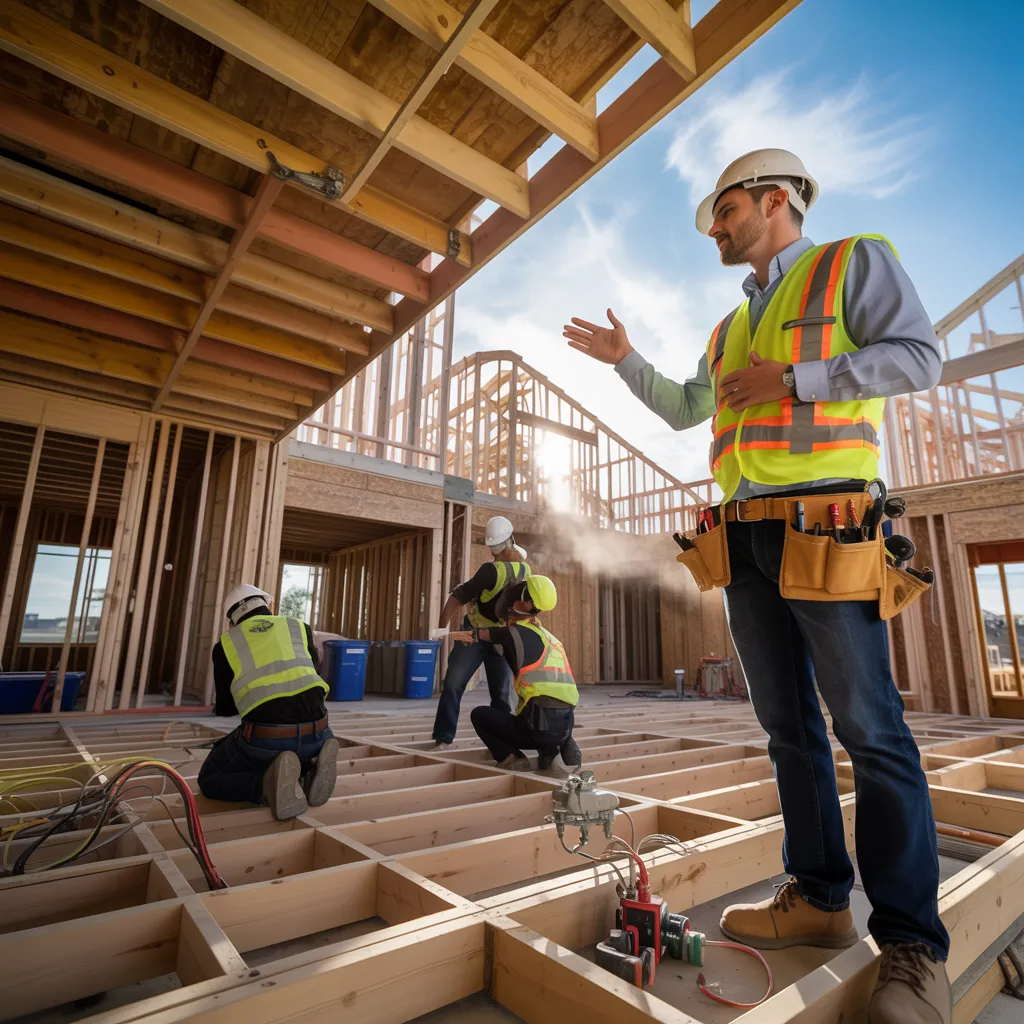
Assessing Builder Experience and Portfolio
When choosing a home builder, a strong portfolio and proven experience serve as essential indicators of competence. Builders with extensive experience often demonstrate a greater understanding of local regulations, design trends, and construction processes. This background can considerably affect the overall quality and effectiveness of the project.
A carefully assembled portfolio demonstrates a contractor's scope of projects, presenting diverse styles and complexities. Prospective homeowners should examine finished work to assess the builder's craftsmanship, attention to detail, and capacity to fulfill homeowner requirements.
In addition, the body of work can demonstrate the contractor's adaptability to diverse project requirements and client expectations. Partnering with builders who have a proven record of completed projects can build trust in their capability to fulfill commitments. When all is considered, assessing experience and past work allows homeowners to make informed decisions, ensuring their investment corresponds to their desired outcomes and personal expectations.
How to Assess Reviews and Reputation?
How can prospective homeowners effectively assess a builder's reputation? One of the most reliable methods is to read online reviews on platforms such as Google, Yelp, and specialized construction websites. Such reviews frequently offer valuable perspectives on past clients' encounters, shedding light on both advantages and shortcomings. Furthermore, monitoring social media channels can uncover up-to-date responses and community engagement.
Homeowners should also seek recommendations from friends, family, or local real estate agents, as personal referrals often carry significant weight. Furthermore, investigating the builder's standing with local business bureaus can uncover any complaints or unresolved issues.
For a comprehensive perspective, it is advantageous to speak directly with past clients, asking precise inquiries about their experience and the standard of work delivered. By bringing these techniques together, prospective homeowners can build a thorough awareness of a contractor's standing, ensuring a more informed decision.
Effective Communication With Your Builder
Creating effective interaction with a construction professional is important for a smooth home renovation project. Consistent communication confirms that everyone involved have clarity on objectives, timelines, and foreseeable issues. It initiates with an introductory consultation where clients can express their plans, financial expectations, and any special considerations. Regular updates, whether through emails, telephone conversations, or face-to-face discussions, promote open communication.
Homeowners ought to promote an open dialogue, enabling the builder to provide updates and valuable insights. This mutual exchange of information builds trust and promotes more effective problem resolution. Homeowners should also make it a priority to document all conversations and agreements to minimize the risk of misunderstandings down the line.
Establishing well-defined milestones and deadlines can greatly improve communication, guaranteeing that the project remains on schedule. At the end of the day, effective communication not only minimizes anxiety but also contributes to a smoother construction process, leading to a home that satisfies what the homeowner had in mind.
The Way Your Home Builder Picks Materials
Clear communication lays the groundwork for comprehending how builders choose materials for a building project. Contractors generally evaluate multiple factors, such as the project's design, regional building codes, and the client's preferences. These professionals frequently emphasize quality and longevity, choosing materials that align with or go beyond established industry standards.
Eco-consciousness is another vital factor, with a growing number of builders adopting green alternatives to cater to eco-aware clientele. They may collaborate with suppliers to secure the supply of chosen materials, while adhering to project schedules and financial constraints.
Furthermore, contractors evaluate material costs and performance characteristics, measuring the benefits of several alternatives against associated risks. This careful evaluation process helps confirm that the final selection is in line with the homeowner's desires while ensuring structural durability and aesthetic value. Ultimately, the choice of materials reflects both the construction professional's skill and the joint input provided by the homeowner.
Understanding Fair Pricing Structures
Comprehending transparent pricing models is crucial for future homeowners. A detailed price breakdown allows clients to identify clearly where their investment is directed, while reviewing quote estimates helps ensure they are obtaining competitive offers. This clarity can considerably impact the selection process when hiring a builder.
Open Cost Overview
What steps can potential homeowners take to ensure they receive fair pricing when working with a builder? A clear and detailed cost breakdown is crucial for comprehending equitable pricing frameworks. Builders should provide detailed estimates that outline all costs involved, including materials, labor, permits, and unexpected expenses. This openness not only encourages confidence but also empowers homeowners to understand how their budget is distributed. Future buyers should question the pricing strategy applied, verifying it corresponds with established industry norms. A reputable builder will willingly discuss their pricing strategy, explaining any variances in costs. This transparency enables homeowners to make well-informed choices and reduces the likelihood of concealed fees or unexpected charges, promoting a more seamless construction process.
Evaluating Quote Estimates
When examining potential builders, comparing quote estimates proves to be a critical step in guaranteeing equitable pricing frameworks. Future homeowners should gather multiple quotes to comprehend standard market pricing and spot variations. Every quote should feature an itemized list of expenses, including materials, labor, and extra costs. Such openness assists in establishing whether a quote is competitive or inflated. Homebuyers should additionally ask about the reasoning behind each bid, as various contractors may apply different benchmarks for workmanship and supplies. It is essential to consider not only the total cost but also the quality of materials and services offered. By carefully reviewing these quotes, homeowners can make informed decisions and select a builder that aligns with their budget and expectations.
Key Questions to Ask Before Signing
Prior to signing a contract with a residential builder, it is important to question them about their expertise and experience. Additionally, verifying their licensing and insurance can ensure peace of timely resource mind concerning their qualifications and your security. Finally, understanding the warranty and aftercare services offered can assist in securing lasting satisfaction with your investment.
Skills and Experience
Picking a home builder demands careful consideration of their knowledge and skills, as these elements greatly influence the quality of the finished home. Prospective homeowners should ask about the builder's time in the field and the kinds of properties they specialize in. Requesting references or examples of finished homes can provide insight into their skill level and customer experience. It is also advantageous to learn about the builder's strategies regarding project management and problem-solving, as these abilities can impact budgets and timelines. Additionally, exploring any industry awards or distinctions achieved can highlight their standing in the industry. At the end of the day, a builder's background and proficiency should align with the homeowner's vision and expectations for their new home.
Insurance & Licensing
A thorough understanding of licensing requirements and insurance is vital for homeowners choosing a builder. Homeowners should begin by verifying that the builder holds a valid license, as this confirms conformity with local codes and regulations. It is recommended to ask for documentation verifying the license, verifying that it remains up to date and suitable for the type of construction planned.
Insurance coverage is equally vital. Homeowners need to request information on general liability insurance, offering protection against potential damages, and workers' compensation insurance, which guards against workplace injuries. A credible builder should have no hesitation in presenting proof of both. This thorough process not only secures the homeowner's investment but also reinforces trust in the builder's professionalism and commitment to excellence.
Warranty and Aftercare Services
Understanding warranties and post-construction services is a crucial consideration after verifying a builder's credentials and coverage. Potential homeowners should research the particulars of the warranty, including its length and what it encompasses. Important questions to ask are: What is the procedure for filing a claim? Are there any exclusions or limitations? Furthermore, it's essential to understand the maintenance services offered. Homeowners should find out how the contractor addresses problems following construction, such as maintenance or repairs. They should also assess the responsiveness of the support team and turnaround times for service requests. A builder's dedication to warranty and aftercare services can greatly impact the lasting contentment with the home, making these considerations necessary before completing any arrangements.
Frequently Asked Questions
What Warranties Are Home Builders Generally Expected to Offer After Project Completion?
Home builders typically offer warranties that address structural defects for a decade, systems and appliances for one to two years, and workmanship for one year, guaranteeing safeguards against possible concerns once the project is finished.
How Do Builders Manage Unexpected Project Delays or Problems?
Builders typically address unforeseen project setbacks by communicating transparently with stakeholders, assessing the underlying reason, and providing updated schedules. They often implement contingency plans and negotiate solutions to limit the effects, guaranteeing ongoing project progress and customer satisfaction.
Can My Home Design Be Customized With Any Builder?
Not all builders allow customization of home designs. Some offer predefined layouts, while some give homeowners more versatile choices. Potential buyers ought to explore customization possibilities to guarantee their vision aligns with what the builder provides.
What Financing Options Do Builders Provide for New Homes?
Home constructors generally present several funding solutions, including direct builder financing, collaborations with lending institutions, and adaptable payment structures. These options aim to meet diverse financial needs, making homeownership more accessible for potential buyers looking for newly built properties.
How Do Builders Ensure Energy Efficiency in New Homes?
Contractors ensure optimal energy use in newly constructed residences by integrating high-performance insulation materials, high-efficiency windows, and heating and cooling systems. They also implement green building methods and technologies, with the goal of minimizing energy usage and improving overall environmental outcomes.